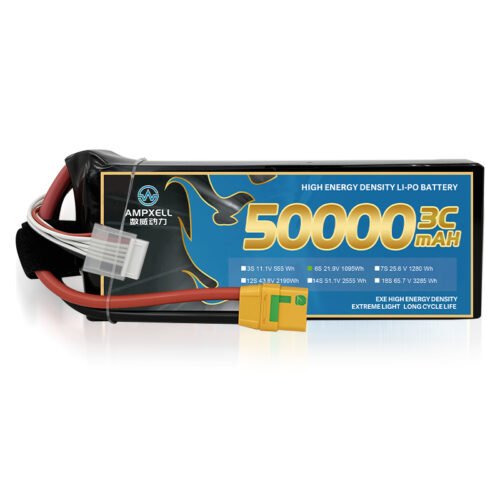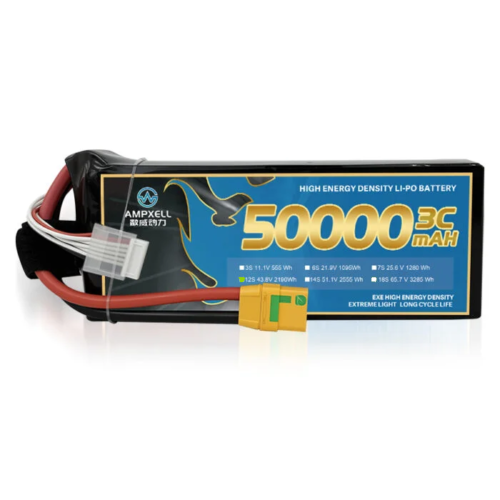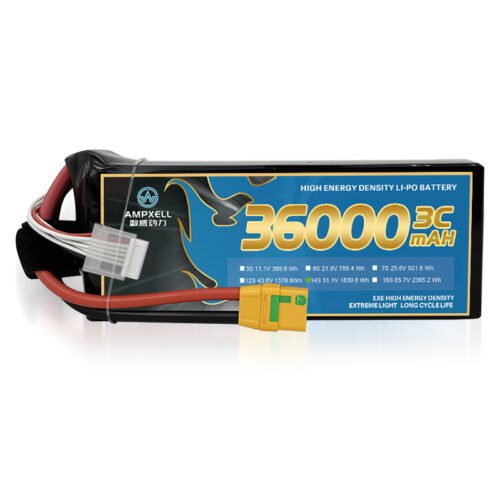

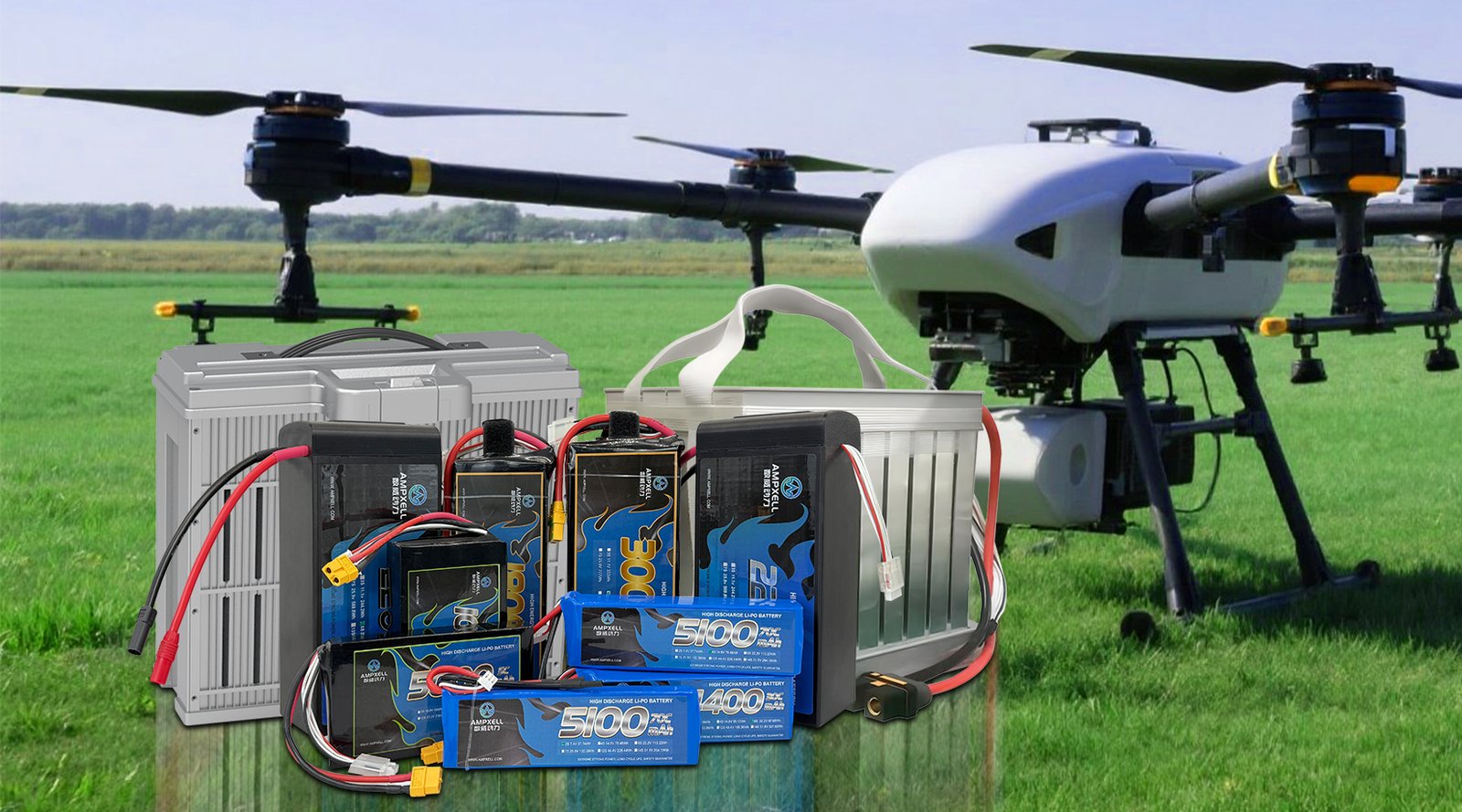
Drones are widely used in agriculture, inspection, mapping, logistics, aerial photography, and industrial applications. Regardless of the application, one factor directly affects drone performance and operational efficiency: drone lithium battery capacity.
Choosing the right battery capacity is not simply about selecting the largest battery available. The ideal drone battery must balance flight time, battery weight, voltage requirements, payload capability, and power output.
In this guide, we explain how to choose the right drone lithium battery capacity for better flight performance and longer operational time.
What Does Drone Lithium Battery Capacity Mean?
Drone battery capacity is commonly measured in mAh (milliampere-hours) or Ah (ampere-hours) and represents how much energy a battery can store.
Generally:
- Higher capacity = longer flight time
- Lower capacity = lighter weight
- Larger battery = increased overall drone weight
For example:
- 10,000mAh battery = 10Ah
- 20,000mAh battery = 20Ah
A higher-capacity battery stores more energy and can potentially keep a drone in the air for a longer period. However, capacity alone does not determine actual flight duration.
How Battery Capacity Affects Drone Flight Time
Flight time is one of the most important factors when selecting a drone lithium battery.
Different drone applications require different endurance levels:
| Application | Typical Flight Time |
|---|---|
| FPV drone | 10-30 mins |
| Educational drone | 25–45 minutes |
| Agricultural drone | 10–25 minutes |
| Cargo lifting drone | 20–35 minutes |
| Drone light show | 40+ minutes |
| Mapping drone | 30-50 minutes |
For example:
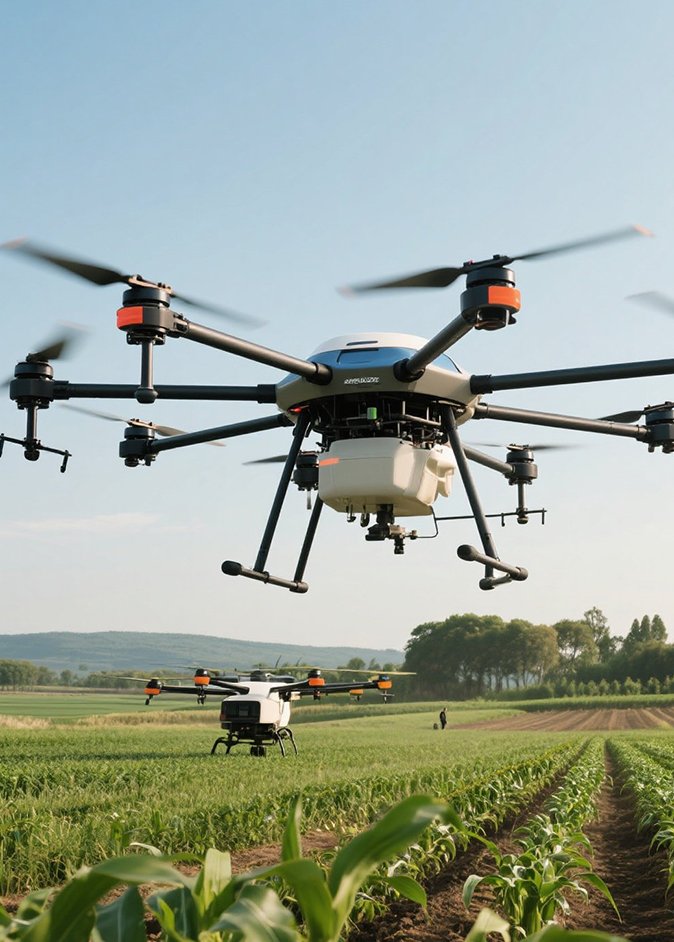
Agricultural drones usually carry liquid tanks or heavy payloads, which increases power consumption. To maintain sufficient flight duration and stable performance, these drones often require higher-capacity lithium batteries.
If your mission requires long-distance flights or extended operation time, choosing a larger-capacity battery may be necessary.
How to Balance Battery Capacity and Weight
One common misconception is that larger battery capacity always means better performance.
In reality, battery weight also plays a critical role.
As battery capacity increases:
- Battery weight increases
- Total drone take-off weight increases
- Motor workload increases
- Energy consumption increases
If the battery becomes too heavy, the drone may consume more power and actually reduce overall efficiency.
When selecting battery capacity, consider:
- Maximum payload capability
- Motor power output
- Drone frame size
- Total take-off weight
- Mission requirements
The ideal industrial drone battery is one that provides the best balance between high energy density and lightweight design.
Choose the Right Battery Voltage for Your Drone
Battery capacity is only one part of battery selection. Voltage compatibility is equally important.
Common drone battery configurations include:
- 4S =14.8V
- 6S=22.2V
- 12S=44.4V
- 14S=51.8V
Larger industrial UAV platforms often use higher-voltage systems because they provide:
- Better power efficiency
- Lower current draw
- Reduced heat generation
- Improved overall performance
Always ensure the battery voltage matches your drone power system requirements.
Why C Rating Matters for Drone Lithium Batteries
The discharge rate (C rating) indicates how quickly a battery can safely deliver power.
A drone performing aggressive maneuvers or carrying heavy payloads requires rapid power output.
Typical ranges include:
Consumer drones
- 10C–25C
Industrial drones
- 25C–50C+
High-performance racing drones
- 50C–100C+
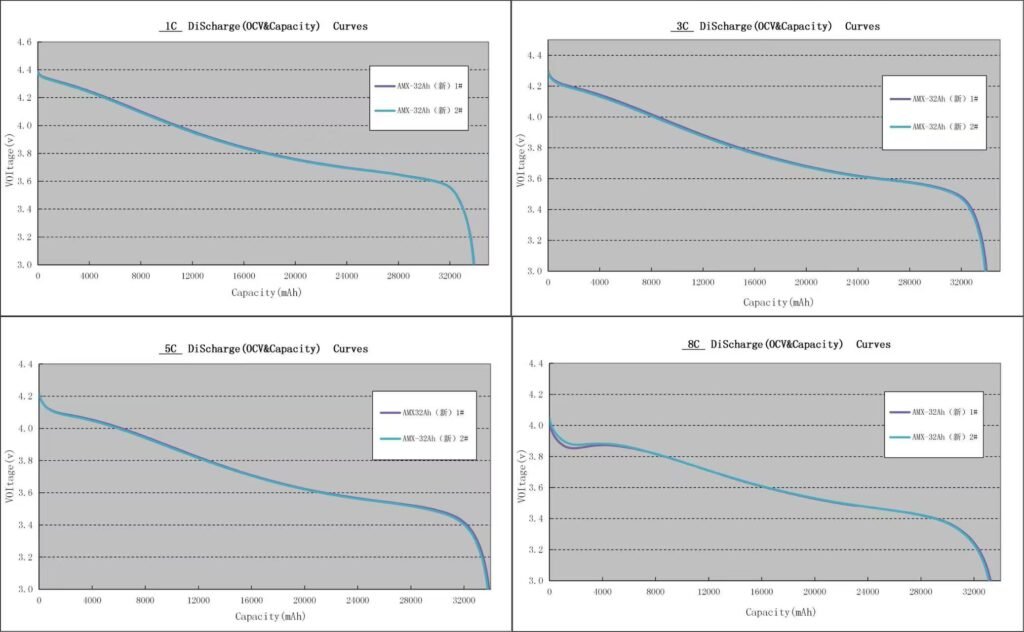
Using a battery with an insufficient discharge rate may result in:
- Voltage drop
- Reduced thrust
- Unstable flight performance
- Reduced battery lifespan
Selecting an appropriate C rating ensures stable operation under demanding conditions.
Choose High-Quality Lithium Cells
The quality of battery cells significantly affects battery performance and safety.
High-quality lithium cells provide:
- Stable voltage output
- Higher energy density
- Longer cycle life
- Improved thermal stability
- Better reliability
For commercial and industrial UAV applications, battery quality directly impacts operational efficiency and long-term cost.
Working with reliable battery manufacturers can reduce maintenance issues and improve overall system performance.
Why Smart BMS Is Important for UAV Batteries
Modern drone batteries increasingly include a Smart Battery Management System (BMS).
A smart battery system can provide:
- Overcharge protection
- Over-discharge protection
- Over-current protection
- Temperature monitoring
- Cell balancing
- Battery health monitoring
For commercial drone fleets, smart batteries improve safety and simplify battery management.
Custom Drone Lithium Battery Solutions from AMPXELL
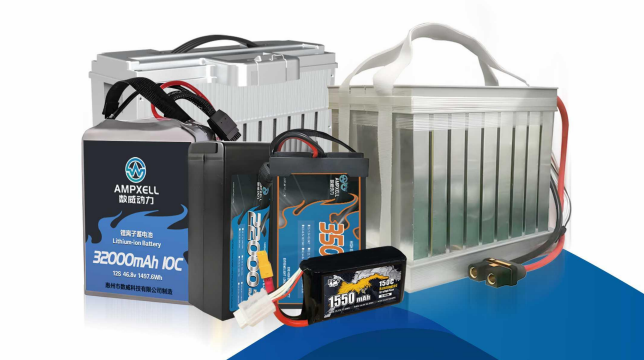
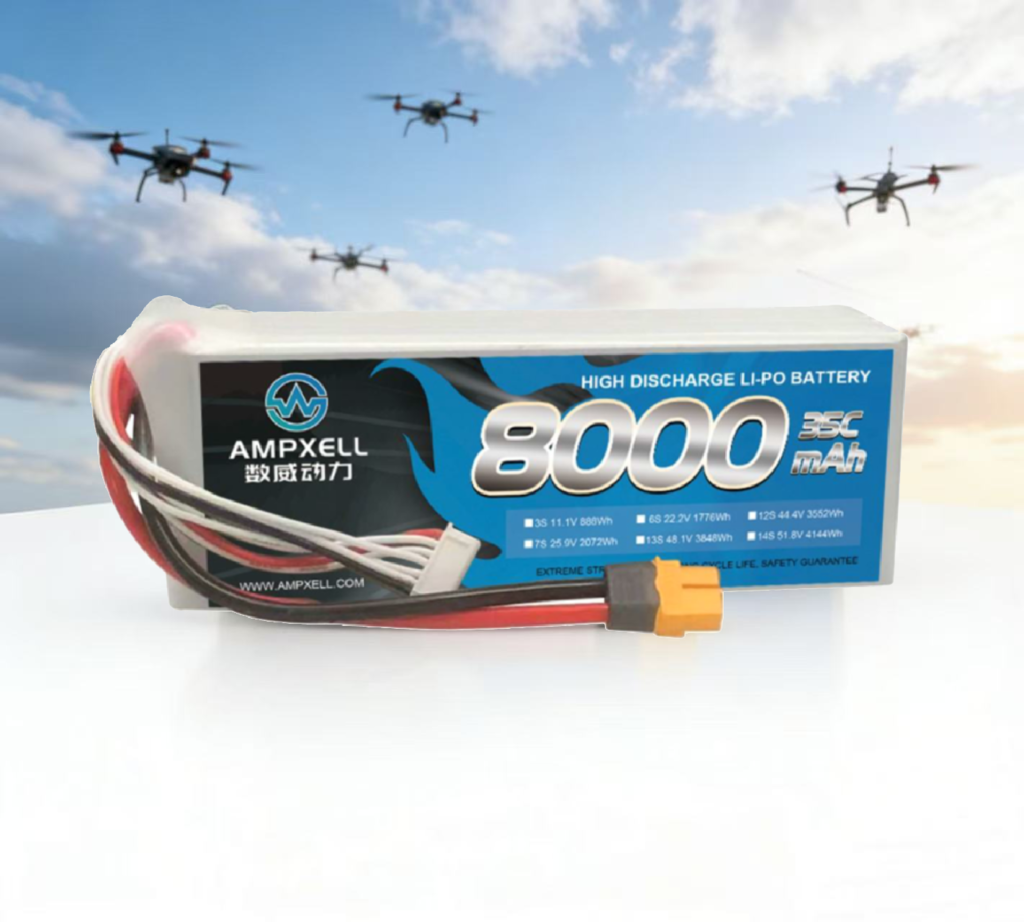
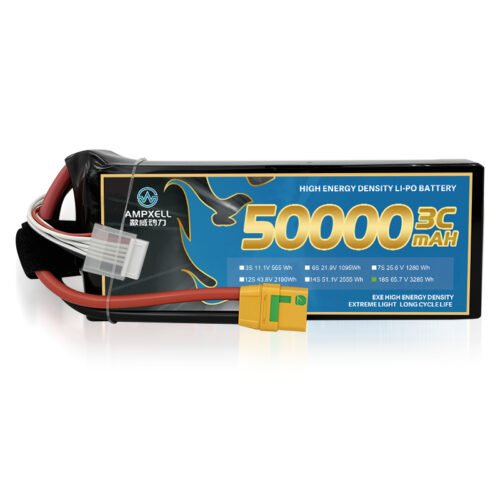
At AMPXELL Technology, we specialize in high-performance drone lithium batteries for industrial and commercial UAV applications.
Our team provides customized battery solutions based on:
✓ Voltage requirements
✓ Capacity requirements
✓ Flight time targets
✓ Payload specifications
✓ Smart BMS integration
Our goal is to help drone manufacturers and system integrators achieve:
- Longer flight time
- Stable power output
- Improved operational efficiency
- Better battery lifespan
Contact us today to discuss your custom UAV battery requirements.