
A Practical UAV Battery Guide by AMPXELL
When selecting batteries for drones or UAV systems, the choice between 18650 and 21700 lithium-ion cells is not just about size. It directly affects flight time, payload capacity, thermal performance, and overall system efficiency.
At AMPXELL, we design and manufacture high-performance UAV battery packs, and we often help customers choose the right cell format based on real application scenarios—not just theoretical specs.
This guide will help you understand the real differences between 18650 and 21700 batteries for drone applications.
1. What Are 18650 and 21700 Batteries?
18650 Battery
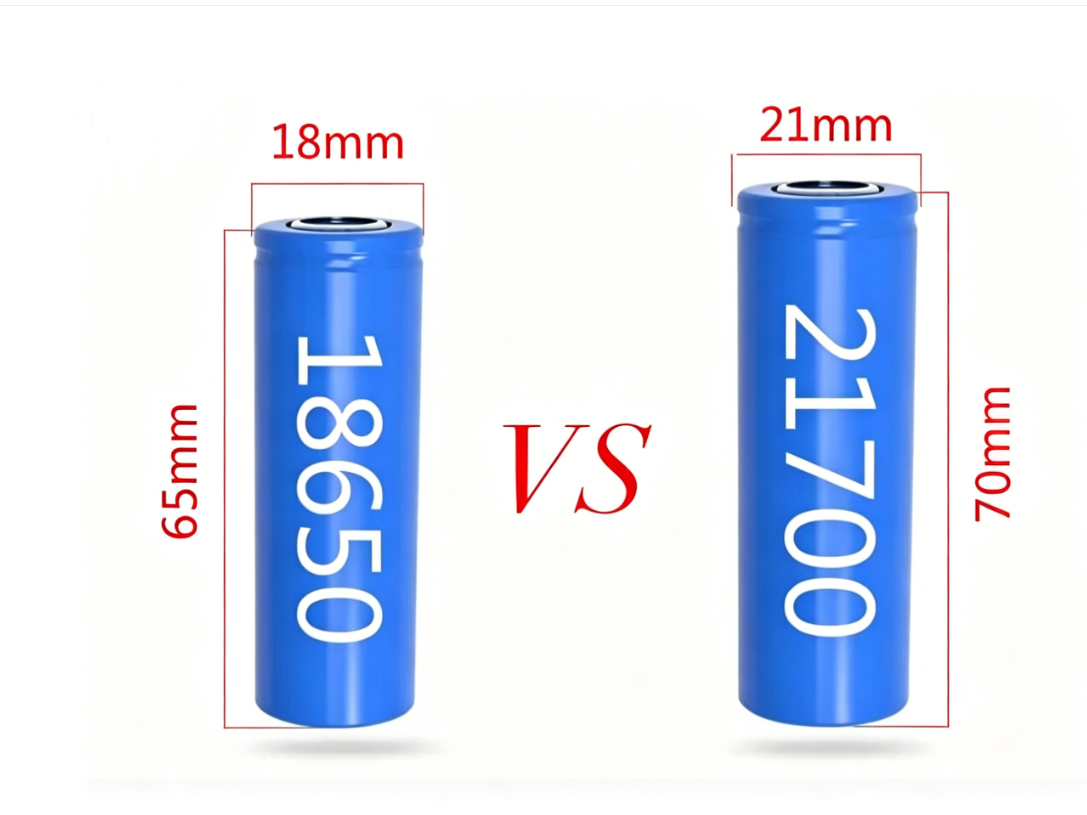
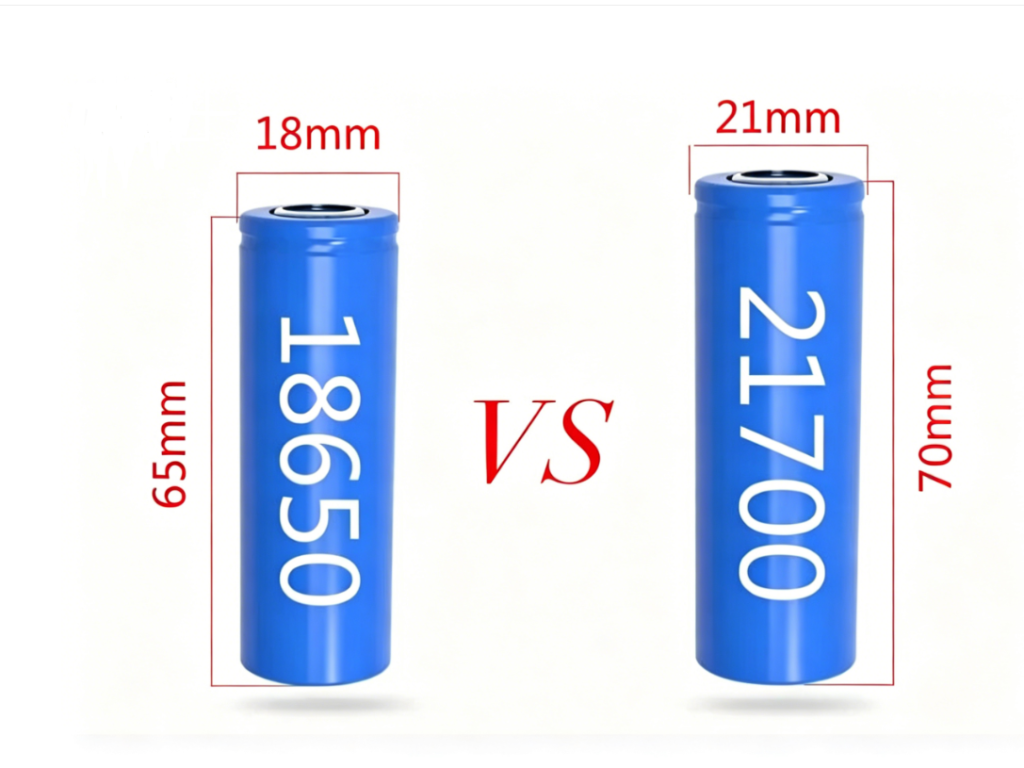
The 18650 lithium-ion cell measures approximately 18mm × 65mm. It is widely used in UAV battery packs due to its mature technology, stable supply chain, and flexible pack design options.
It is commonly used in:
- Compact drones
- Lightweight UAV systems
- Custom battery configurations with space limitations
21700 Battery
The 21700 cell measures approximately 21mm × 70mm and offers higher energy capacity per cell compared to 18650.
It is increasingly used in:
- Long-endurance UAV systems
- Industrial drones
- High-energy-density battery packs
Because fewer cells are needed to achieve the same energy target, 21700 often improves overall pack efficiency.
2. 18650 vs 21700 for Drone Applications
The real difference between these two formats becomes clear when applied to UAV system design.
1. Energy Capacity
21700 cells generally provide higher capacity per cell, which means:
- Fewer cells required per battery pack
- Higher total energy density potential
- Improved flight endurance in many UAV designs
2. Energy Density at Pack Level
In UAV systems, what matters most is pack-level energy density, not single-cell performance.
21700-based packs often achieve better efficiency because:
- Reduced interconnection losses
- Fewer structural components
- Optimized internal space usage
3. Discharge Performance
Both 18650 and 21700 cells can support high discharge rates depending on the specific model.
For UAV applications:
- Medium-load drones → both formats are suitable
- High-endurance industrial UAVs → 21700 is often preferred due to higher capacity per string design
4. Weight and Structure
Although a single 21700 cell is heavier, UAV battery design is always evaluated at system level.
In many cases:
- 21700 packs reduce total cell count
- Lower wiring and connection weight
- Improved overall energy-to-weight ratio
5. Thermal Management
Thermal behavior depends on both cell type and pack design.
21700 advantages:
- Fewer heat sources in large packs
- More efficient thermal distribution
- Easier system-level thermal control in industrial UAVs
| 18650/21700 Battery Application Scenarios and Industry Insights Summary | ||
| Application Scenario Category | Specific Application / Tool Category | Preferred / Recommended Battery Model |
| Consumer Electronics | Flashlight | 18650 |
| Power Bank | 18650 | |
| LED Lighting | 21700 | |
| Electric Vehicles and Energy Storage | Electric Vehicles (Model 3/Y) | 21700 |
| Electric Vehicles (S/X and other older models) | 18650 | |
| Home Energy Storage | 21700 | |
| DIY and Power Tools | Cordless Drill | 18650 |
| High-Power Grinder | 21700 | |
| Professional DIY Tool Kit | 21700 | |
Final Conclusion
The choice between 18650 and 21700 UAV batteries is not about which cell is “newer” or “better.”
It is about:
- Aircraft design requirements
- Energy demand
- Structural constraints
- Thermal and safety considerations
For most modern industrial UAV applications, 21700 battery systems are increasingly preferred due to higher energy density and improved pack efficiency. However, 18650 still plays an important role in compact and customized UAV designs.
About AMPXELL UAV Battery Solutions
AMPXELL specializes in:
- High-rate UAV lithium battery packs
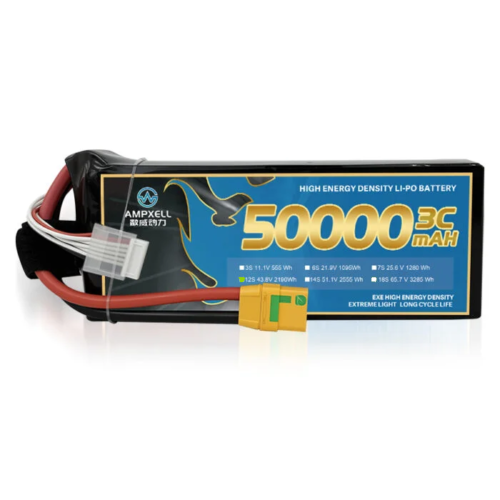
- Custom drone battery design (18650 / 21700 / LiPo systems)
- Industrial UAV energy solutions
- High and low temperature battery systems
- OEM/ODM battery manufacturing services
If you are developing a drone project and need battery support, our engineering team can help design a solution based on your flight time target, power demand, and airframe constraints.